
About
About Thrive
Boutique by design. Experienced by background.
Thrive Urban Planning is a specialist town planning consultancy built around experienced advice, personal service and a clear understanding of the development process.
The practice has its origins in Sutherland & Associates Planning, a town planning practice established in 2010. The earlier practice developed a reputation for high-quality, timely and personalised planning services across a broad range of development types. Thrive represents the next chapter of that practice: a refreshed identity and a deliberately principal-led model focused on strategic and statutory planning, development advisory and Land and Environment Court work.
While the name and brand have evolved, the underlying approach remains consistent. Clients should receive considered advice, timely communication and planning work that responds to the actual project rather than a generic template.
Thrive works with clients ranging from private landowners and individual businesses through to experienced developers, architects and multidisciplinary project teams. Some matters are relatively contained: a feasibility review, a planning opinion or a Development Application. Others involve years of strategic planning, multiple technical disciplines, State agencies, community interest, Planning Panels or Court proceedings.
The scale changes. The level of attention does not.
Our approach
Understand the objective
Before focusing on the planning controls, we seek to understand what the client is actually trying to achieve. That may be maximising the development potential of a site, securing a commercially viable approval, resolving a specific Council concern, changing the planning framework applying to land or obtaining a clear view about whether a project should proceed at all.
Identify the planning pathway
There is often more than one way to approach a planning problem. Early identification of the appropriate statutory or strategic pathway can avoid unnecessary redesign, duplicated consultant work and delay.
Identify the real constraints
Not every non-compliance is fatal and not every technical issue carries the same weight. We focus on identifying the matters that are likely to influence the assessment outcome and ensuring those issues are addressed early and properly.
Build the consultant team around the issues
Complex projects depend on coordinated evidence. Thrive works closely with architects and specialist consultants so that traffic, civil, flooding, ecology, bushfire, heritage, acoustic, economic, landscape and other technical work supports a coherent planning position.
Present a clear planning case
Planning documentation should make it easy for the decision-maker to understand the proposal, the applicable framework, the issues requiring judgement and the reasons the project should be supported.
Stay involved
Assessment rarely ends at lodgement. Requests for Information, design changes, agency comments, Council meetings, planning panels and negotiations can materially affect the outcome. Thrive remains engaged through those stages rather than treating lodgement as the end of the planning role.
Our experience
The practice’s experience spans commercial and retail development, childcare, seniors living, infrastructure, industrial projects, mixed-use development, residential apartments, subdivisions and strategic rezoning matters.
That breadth is valuable because planning issues do not sit neatly within one development category. Lessons from a complex retail or infrastructure project can inform a subdivision; Court experience can improve the way an initial Development Application is prepared; and strategic planning experience can reveal opportunities that are not apparent from a straightforward statutory assessment.
Thrive brings that broader perspective to each engagement.
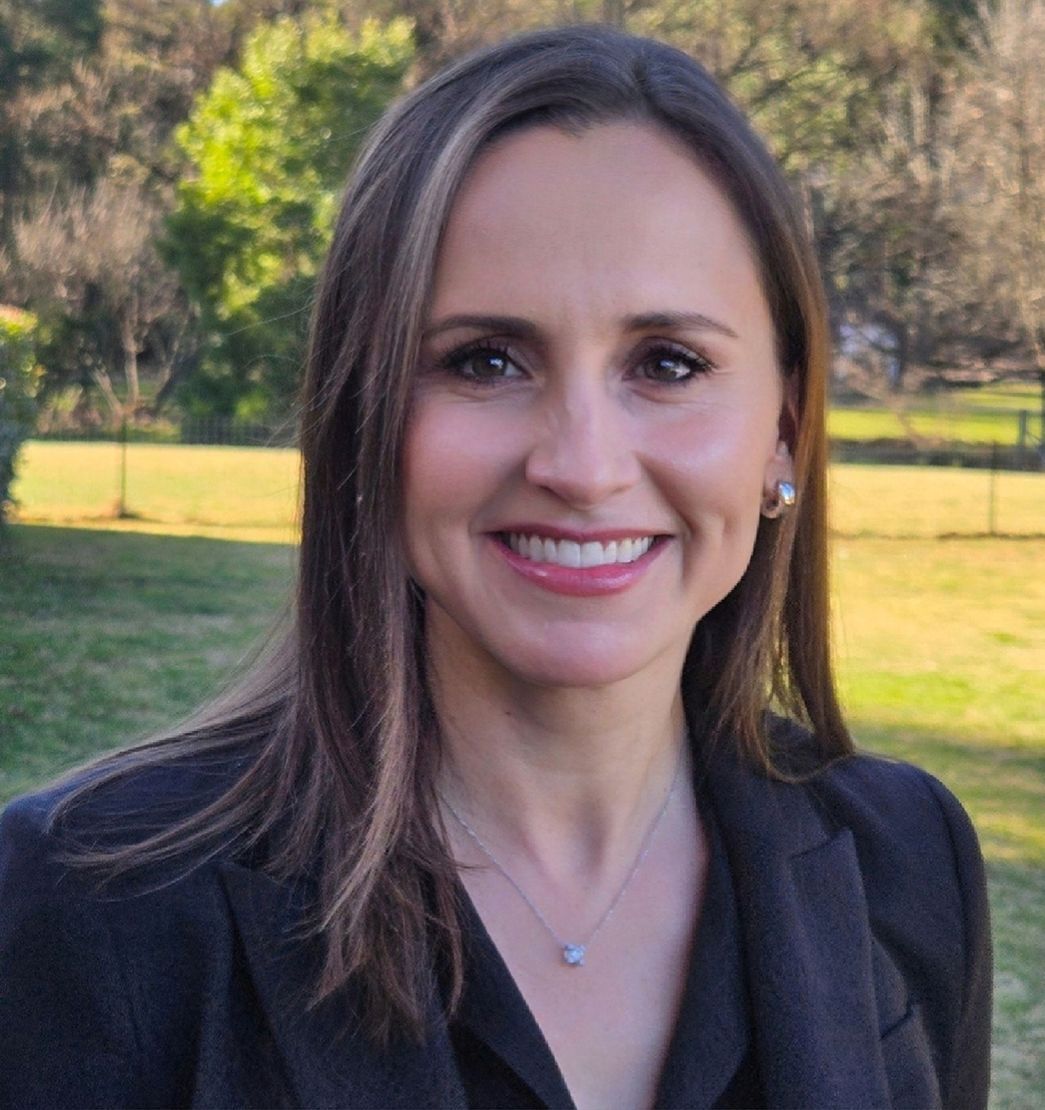
AMY WEBB
Director | Principal Town Planner
Bachelor of Planning (Honours), University of New South Wales
Amy Webb is an experienced town planner whose career spans local government, State government and private planning consultancy.
Amy established her private planning practice in 2010 and has since advised on a diverse portfolio of projects across metropolitan Sydney, Western Sydney, the Southern Highlands and regional New South Wales.
Her private sector work encompasses strategic planning, Planning Proposals, Development Applications, Statements of Environmental Effects, development feasibility, planning due diligence, Council negotiations, Planning Panel matters and Land and Environment Court proceedings.
Before establishing her consultancy, Amy developed a strong grounding in the assessment and preparation of planning matters within government. Her experience includes strategic and statutory planning roles with Warringah, Pittwater and Parramatta Councils, together with work for the NSW Department of Planning, Housing and Infrastructure.
This background gives Amy an understanding of the planning process from both sides of the table. She understands the pressures and evidentiary requirements facing an applicant, but also the way an assessing planner or consent authority is likely to interrogate a proposal.
That perspective is particularly valuable where a project is technically complex, politically sensitive, strategically important or moving into a contested assessment or appeal process.
Amy’s approach is direct and practical. She believes clients are best served by clear advice, including when that advice requires a project to change direction. Equally, where a planning position is sound, she is comfortable explaining and defending the reasoning behind it.
She works closely with clients, architects, engineers, specialist consultants, solicitors and barristers and remains personally involved in the projects accepted by Thrive.
A planner within the project team
On larger projects, Amy’s role often extends beyond authorship of the planning report. She assists in identifying the consultant investigations required, reviews technical material through a planning lens, helps coordinate responses to Council and agency issues and works with the project team to ensure that changes made in one discipline do not inadvertently create problems elsewhere.
This is particularly important on Planning Proposals, complex commercial projects and Court matters where planning, design, traffic, civil engineering, environmental impacts and legal strategy frequently overlap.
Planning judgement
For Amy, good planning advice is not simply about identifying what a planning control says. It is about understanding what the control means for the project, how it interacts with the wider planning framework, how the decision-maker is likely to approach the issue and what practical steps should follow.
That judgement — developed across government assessment, private consultancy and contested planning matters — is the value Amy seeks to bring to every Thrive engagement.